

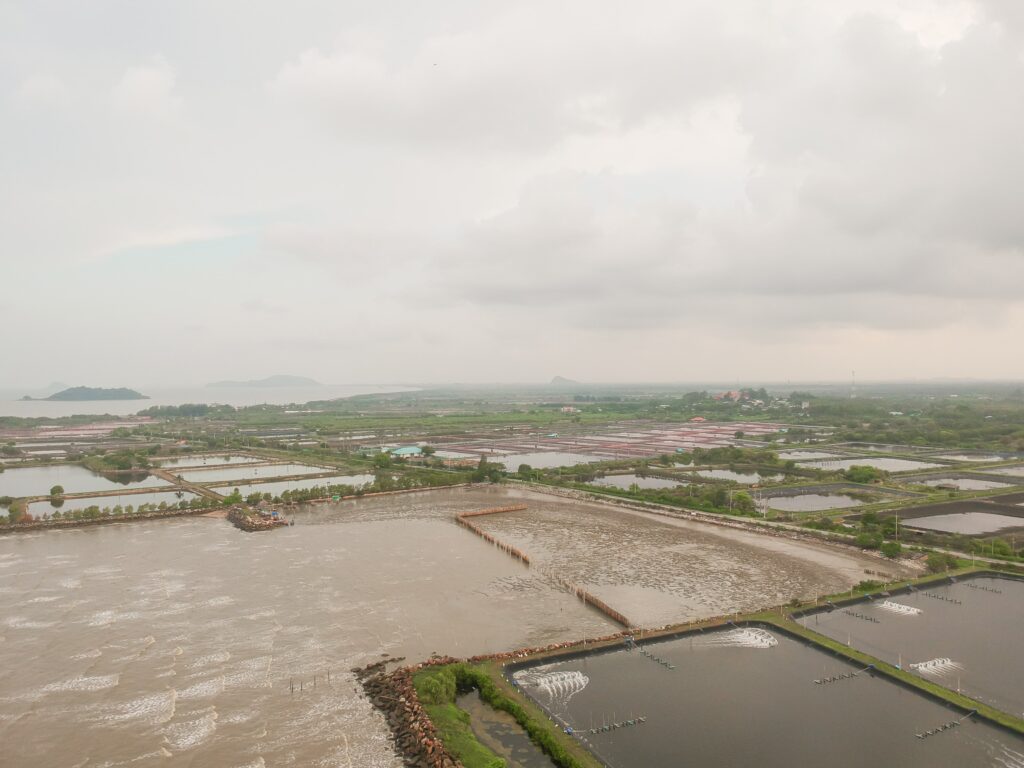
Heavy rain and rising waters in British Columbia’s Fraser Valley have once again put Abbotsford — one of the province’s key agricultural regions — in the spotlight as flooding caused by an intense weather system disrupts lives, farms, and infrastructure.
The recent flooding in Southern B.C. — part of the broader 2025 Pacific Northwest floods — has been driven by an atmospheric river storm system that brought sustained heavy rainfall to the region and into neighbouring Washington state, with impacts felt across international borders.
What Happened? A Quick Breakdown
Beginning in early December 2025, a powerful atmospheric river — a long, narrow plume of moisture in the atmosphere — affected much of the Pacific Northwest. According to meteorological reports, this system transported moisture across thousands of kilometres, resulting in widespread rain and record river levels in parts of Washington state and southern British Columbia.
In Abbotsford and the wider Fraser Valley, this translated into flooding as rivers and low-lying areas absorbed excess water. The Nooksack River, which flows south of the Canada–U.S. border in Washington state, overflowed during the event. When this occurs, water can flow north into the Sumas River system and the flatlands of Sumas Prairie, causing flooding in areas typically protected by dikes and drainage infrastructure.
Evacuations and Community Response
Municipal and provincial authorities issued evacuation orders for parts of Abbotsford, particularly in the Sumas Prairie region where floodwaters rose rapidly. Reports indicated that hundreds of properties were under evacuation order or alert, prompting residents to leave their homes and seek safe shelter.
Local emergency management agencies and city officials worked to coordinate responses, including assisting with evacuations and issuing public safety advisories. Roads and infrastructure were affected, with closures on major routes as municipal crews focused on flood response and mitigation.
Impact on Farmers and Agricultural Lands
Abbotsford is part of a broader agricultural heartland in the Fraser Valley, and farms in the region were among those directly affected by floodwaters. Many farmers faced difficult decisions as water levels rose — moving livestock, protecting equipment, and safeguarding crops where possible under rapidly changing conditions.
Residents and producers described the scene as reminiscent of previous significant flood events in the region, including the 2021 floods, when overflow from the Nooksack River also inundated farmland, homes, and infrastructure.
Livestock, barns, and equipment are among the primary concerns for agricultural operators during flooding. In prior events, livestock losses and damage to farm buildings have been reported, and this year’s flood forced many farmers into evacuation or emergency response mode as waters approached critical levels.
Weather Forecast and Ongoing Risks
While floodwaters in some areas have begun to recede, provincial forecasts have continued to warn of additional rainfall and heightened risk as new atmospheric systems move into the region. Officials from Environment Canada and the B.C. River Forecast Centre highlighted persistent saturated ground conditions — meaning even moderate additional rainfall could contribute to renewed flooding or river overflows.
Orange-level rain warnings have been issued for parts of the Fraser Valley and North Shore Mountains, and local authorities emphasized that communities remain vulnerable to changing conditions.
Historical Context and Recurring Challenges
This 2025 flooding comes after several notable extreme weather events in British Columbia’s recent past. In 2021, a major atmospheric river event caused widespread flooding throughout the Fraser Valley, prompting a provincial state of emergency and significant agricultural and infrastructure losses.
Abbotsford and the surrounding Sumas Prairie are historically flood-prone, partly due to their location on land formerly occupied by the natural Sumas Lake before it was drained in the 1920s. Periodic flooding has occurred in the region for decades, especially during heavy rain events or river overflows.
Looking Ahead: Preparedness and Response
Local leaders and emergency officials have emphasized preparedness and caution as conditions evolve. Residents in low-lying and high-risk areas are advised to stay informed through local emergency channels, remain ready to evacuate on short notice, and take steps to secure property and livestock where possible.
Agriculture officials and community groups are also assessing the broader implications of flooding on food production, farm economics, and long-term resiliency planning for the region’s farming industry.