

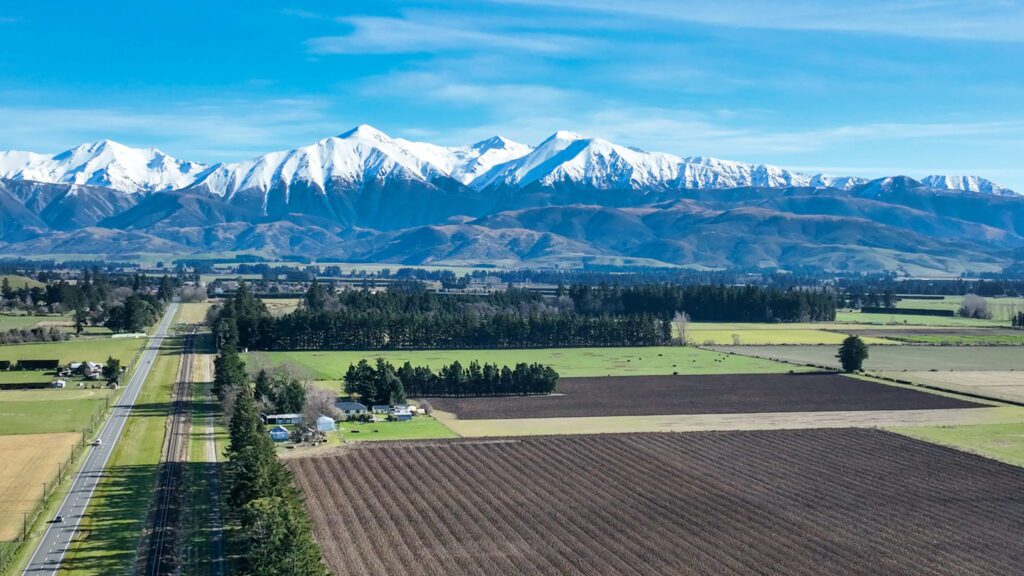
Farmland in Metro Vancouver is getting harder to find. And for anyone who owns, farms, or hopes to buy agricultural land in Delta or the Fraser Valley, that matters.
A recent Delta Optimist story pointed to a bigger regional shift: Metro Vancouver has fewer farms and less farmland than it did 25 years ago. The article says total farm area in Metro Vancouver was 34,359 hectares (84,903 acres) in 2021, and notes the decline has not been as steep in Delta as in some other parts of the region.
That headline may sound simple. But the real story is bigger than that.
When farmland shrinks in a region like Metro Vancouver, it changes how buyers think, how sellers price, and how families plan for the future. It also puts more attention on places like Delta, Langley, Surrey, Abbotsford, and Chilliwack, where agricultural land still carries both production value and long-term strategic value.
Less farmland usually means more pressure on the land that remains
Think of farmland like shoreline. Nobody is making more of it.
Yes, British Columbia has the Agricultural Land Reserve to protect farm ground. Metro Vancouver also says protecting agricultural land is critical for long-term food security and farm viability. But even with those protections, the region still faces pressure from non-farm development, fragmented ownership, and climate-related challenges.
That is part of why this trend matters so much.
In Metro Vancouver, agriculture is not some small side story. In the 2021 Census of Agriculture, the region had 2,118 farms reporting about $1.3 billion in operating revenues, which represented more than a quarter of B.C.’s agricultural operating revenues.
So when farmland declines here, it is not just a land use issue. It is an economic issue, a food system issue, and for many families, a generational wealth issue too.
Why Delta stands out
One of the most interesting parts of the article is that Delta has not seen the same level of decline as much of Metro Vancouver.
That makes sense.
Delta has some of the most productive agricultural land in the region. The City of Delta’s Agricultural Plan says agricultural land makes up just over half the city’s land base, and farming remains a vital part of Delta’s economy and identity. Other regional sources also note Delta’s soils are highly productive and that the community plays an outsized role in farm receipts relative to its number of farms.
In plain English, Delta punches above its weight.
It may not have the most farms in Metro Vancouver, but the farms it does have matter a lot. That helps explain why Delta acreage and farmland continue to attract attention from serious agricultural buyers, expanding operators, and investors who understand the difference between “land” and “usable farm asset.”
What this means for farm sellers
If you own farmland in Delta, Langley, Surrey, Abbotsford, or Chilliwack, this kind of market shift should make you more careful, not more casual.
A common mistake sellers make is treating farm property like a regular house with extra yard space. It is not. Farm value is shaped by things like soil quality, parcel layout, irrigation, access, infrastructure, crop history, zoning realities, and how the property actually functions as an agricultural asset. That is exactly where specialized farm representation matters most.
In a tightening farmland market, pricing also becomes more sensitive.
Some owners assume less farmland automatically means any asking price will work. But that is not how buyers think, especially experienced ones. Serious farm buyers look closely at whether a property supports income, expansion, efficiency, or long-term holding value. Overpricing based on emotion or a neighbour’s different sale can still slow momentum and cost sellers time.
The better takeaway is this: scarcity helps strong properties, but strategy still wins.
What this means for buyers
For buyers, the message is just as clear.
Waiting for “more inventory” in core agricultural areas can be a risky plan. When regional farmland supply trends down over time, good parcels often become more competitive, especially those with better drainage, workable shape, useful outbuildings, or stronger location near established farming areas. That is one reason targeted property hunting and off-market outreach have become so important in the farm and acreage space.
It is a bit like fishing in a smaller pond. There may still be fish there, but you need better timing, better tools, and better local knowledge.
This is especially true in the Fraser Valley and Greater Vancouver agricultural market, where different cities behave differently. Delta is not Langley. Langley is not Abbotsford. Abbotsford is not Chilliwack. Soil class, crop suitability, municipal nuance, and buyer demand can change from one submarket to the next. That is why hyper-local farm knowledge matters more than broad residential experience.
The real question is not just “Is farmland going down?”
The better question is: what happens next?
If Metro Vancouver continues to lose farms and farmland over time, the remaining agricultural land base becomes even more important. The land that is left has to carry more weight. More production. More value. More scrutiny. More pressure.
That changes how families should think about transitions.
Some owners may decide this is the right time to downsize and unlock equity. Others may see a rare chance to scale their operation before the next wave of scarcity pushes values or competition even higher. And some buyers may realize their “someday” purchase needs to become a “now we start looking seriously” decision.
That is the human side of this story.
Because behind every farmland statistic is a real decision: keep farming, expand, lease, sell, retire, or pass the property to the next generation.
Final thoughts
The Delta Optimist article highlights an important regional trend: Metro Vancouver has fewer farms and less farmland than it did a generation ago, even if Delta has held up better than many neighbouring areas.
For farm and acreage owners, this is not background noise. It is market context.
And in a market like British Columbia’s Lower Mainland, context matters. A lot.
Because when farmland becomes scarcer, every decision around pricing, timing, due diligence, and negotiation carries more weight. The families and operators who understand that early are usually the ones who protect the most value over the long run.