

Every once in a while, a number comes along that makes you pause.
This is one of those moments.
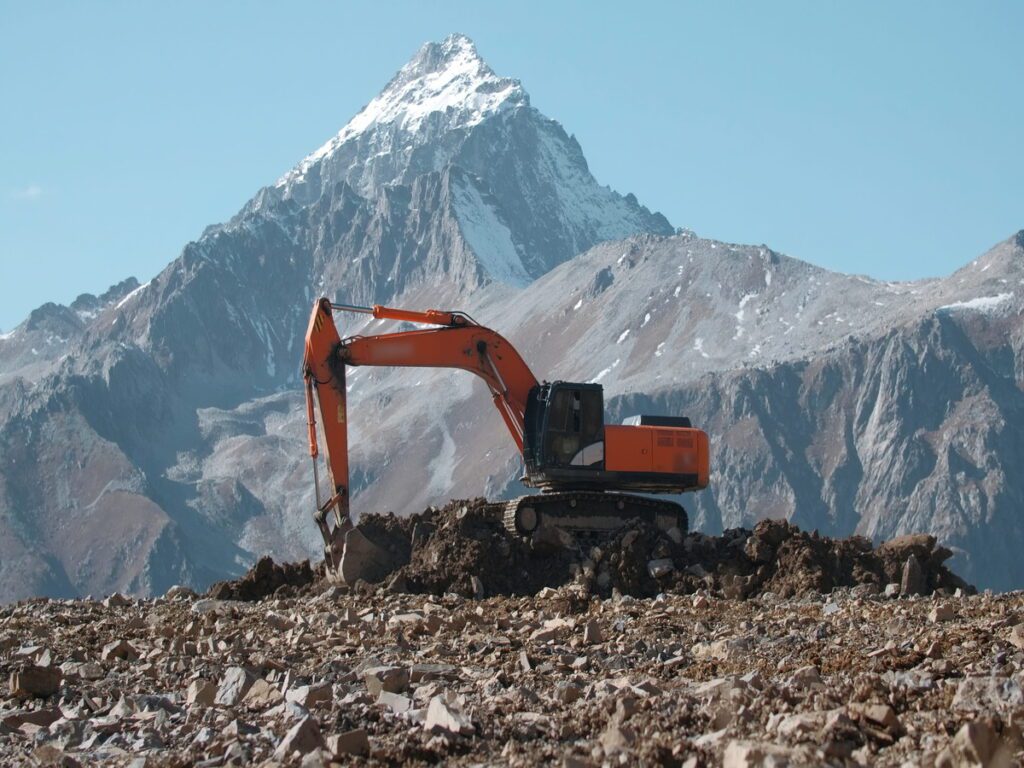
A recent study suggests that mining projects planned across Northern British Columbia could inject $67 billion into the province’s economy over time.
That’s not a small boost. That’s transformational.
But big numbers alone don’t tell the whole story. What really matters is what that kind of investment means for real people — families, workers, businesses, and communities across Northern B.C.
Let’s unpack it in a way that actually makes sense.
Why Northern B.C. Is Suddenly in the Spotlight
Northern British Columbia has always been resource-rich. Mining isn’t new here. It has shaped towns, supported families, and built entire regional economies for decades.
What’s different now is global demand.
The world is changing fast.
Electric vehicles are replacing gas-powered cars. Renewable energy projects are expanding. Technology manufacturing continues to grow. All of these industries rely heavily on minerals — especially copper and other critical metals found in Northern B.C.
So when countries push toward clean energy and infrastructure upgrades, demand for mining resources increases.
Northern B.C. happens to be sitting on some of what the world needs most.
And investors are paying attention.
What Does a $67 Billion Economic Impact Actually Mean?
It’s easy to hear “$67 billion” and feel disconnected from it.
So let’s break it down.
This number reflects projected spending and economic activity generated by proposed mining projects. That includes:
- Mine construction costs
- Equipment purchases
- Engineering and consulting services
- Operational spending over years
- Worker wages
- Local supply chain contracts
Imagine building a small city from scratch. You need roads, power lines, housing, transportation, and workers. Now multiply that across several projects over many years.
That’s how economic impact compounds.
It doesn’t stay within one company. It spreads outward — into restaurants, hotels, contractors, hardware stores, and transportation companies.
It creates a ripple effect.
Job Creation: The First Wave of Impact
The most immediate effect of large mining developments is employment.
During construction phases, thousands of jobs can be created. These include:
- Skilled trades
- Heavy equipment operators
- Engineers
- Environmental specialists
- Project managers
- Administrative staff
And once operational, mines continue to employ workers for years — sometimes decades.
But here’s something people sometimes overlook: mining jobs don’t just create mining income.
When workers earn paycheques, they spend money locally. That supports grocery stores, car dealerships, daycare centres, and more.
It’s like dropping a stone in water — the ripples extend far beyond the first splash.
Housing Demand: An Important Conversation
Whenever there’s large-scale economic expansion, housing becomes part of the story.
If new workers move into communities like Prince George or other northern towns, where will they live?
Many Northern B.C. communities already face tight rental markets. Increased employment could lead to:
- Higher rental demand
- Rising home prices
- New residential developments
- Increased interest from investors
For homeowners, this could mean growing property values.
For renters, it may mean more competition.
For developers, it could mean opportunity — but also responsibility.
Communities that plan for housing growth early tend to handle expansion better than those that wait until demand overwhelms supply.
Economic Growth Beyond the North
While the projects are located in Northern B.C., the economic benefits extend province-wide.
Mining equipment may be supplied by companies in the Lower Mainland. Engineering firms in Vancouver may secure contracts. Ports in southern B.C. may handle exports.
In other words, a strong mining sector strengthens the broader British Columbia economy.
Government revenue from taxes and royalties can also increase. That revenue often supports public services such as healthcare, education, and infrastructure.
So while the mines are in the north, the impact could be felt across the province.
The Global Energy Shift Is Driving This Moment
Why now?
Because we are in the middle of a global energy transition.
Electric vehicles require more copper than traditional cars. Renewable power grids require upgraded transmission systems. Battery technology relies on specific metals.
These are not short-term trends.
They represent long-term structural shifts in how the world produces and consumes energy.
Northern B.C.’s mining sector is positioned to supply materials that are essential to that transformation.
And when global demand meets local supply, investment follows.
Balancing Growth With Environmental Responsibility
Of course, mining development always comes with important environmental discussions.
Modern mining projects must go through extensive regulatory reviews and environmental assessments. Water protection, land reclamation, wildlife impact — these are serious considerations.
Communities want economic growth. But they also want sustainability.
The future of mining in Northern B.C. will depend on finding that balance — supporting jobs and economic opportunity while protecting ecosystems for future generations.
It’s not a simple equation.
But it’s one that policymakers, companies, and communities must navigate carefully.
Is the $67 Billion Guaranteed?
It’s important to understand that this figure is a projection.
It assumes projects proceed as planned, commodity prices remain supportive, and global demand continues.
Mining development depends on many factors:
- Regulatory approvals
- Market prices for minerals
- Investment timelines
- Infrastructure readiness
Economic forecasts are estimates, not promises.
However, the scale of potential investment signals strong momentum.
What This Could Mean for Northern B.C.’s Future
If these projects move forward, Northern B.C. could see:
- Sustained job growth
- Population increases
- Expanded infrastructure
- Stronger municipal revenues
- Increased housing development
For some communities, this could represent the most significant economic shift in decades.
For young professionals and tradespeople, it could mean stable careers close to home.
For entrepreneurs, it could mean new business opportunities.
A Turning Point Moment?
Northern British Columbia has always played an important role in Canada’s resource economy.
But the global demand for critical minerals may place it at the center of the next major economic chapter.
A $67 billion projected economic impact isn’t just a headline.
It’s a signal.
A signal that Northern B.C. may be entering a new phase of growth — one shaped by global energy transformation, resource demand, and long-term investment.
Growth brings opportunity.
It also brings responsibility.
The next few years will determine how this potential becomes reality.
And if managed thoughtfully, Northern B.C. could experience one of the most significant economic expansions in its modern history.