

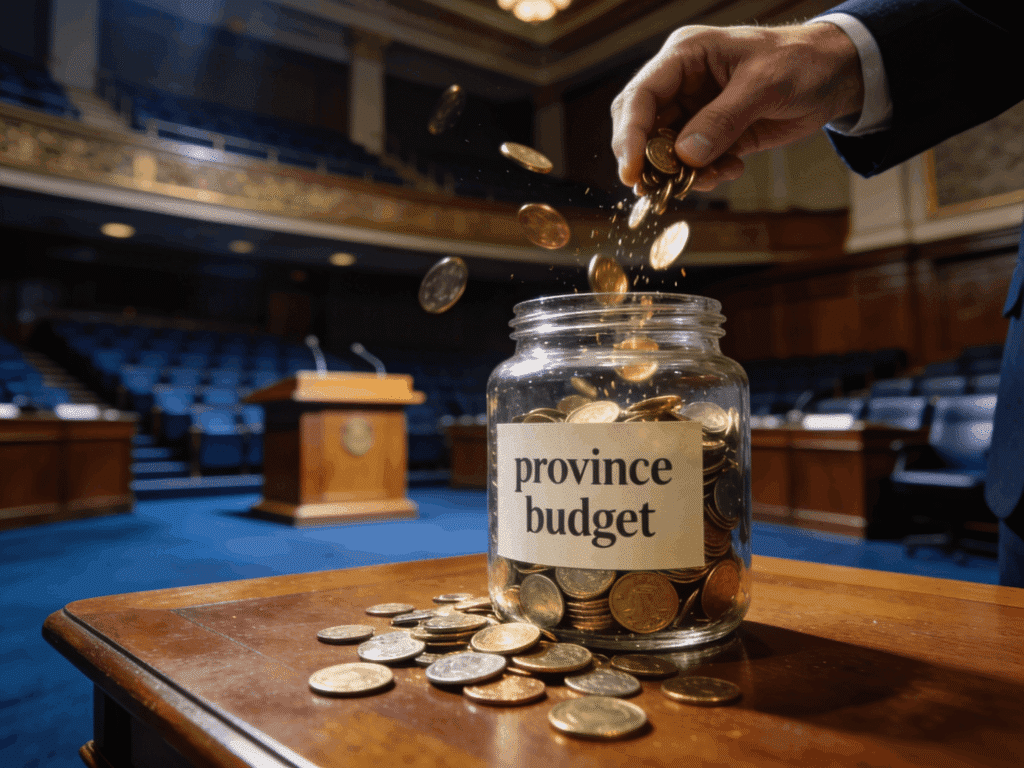
Have you heard the buzz about big spending cuts coming to British Columbia’s budget? You’re not alone — this topic is getting a lot of attention as the province prepares to release its 2026 budget on February 17, 2026.
Whether you’re a BC resident, a business owner, or just someone trying to stay informed, it’s worth digging into what’s being planned — and why.
1. Why Are Spending Cuts Being Talked About?
Let’s start with the basics: government spending isn’t just a number on a spreadsheet. It affects everything from healthcare and schools to road maintenance and parks. In recent years, British Columbia’s spending has increased significantly. That has raised concerns among politicians, experts, and everyday taxpayers.
Recently, Premier David Eby and Finance Minister Brenda Bailey hinted that the upcoming budget will contain spending cuts, particularly in administrative areas of government.
Think of it like a household budget — when bills go up faster than income, tough choices have to be made. That’s essentially what the provincial government is saying right now.
2. What Exactly Is the Government Planning?
Here’s what we know so far:
- Senior leaders have signaled deeper spending reviews and reductions as part of the 2026 fiscal plan.
- These cuts are expected to focus on administrative costs, rather than front-line services like healthcare or education, at least according to officials.
That distinction matters. Imagine trimming your grocery list versus giving up your family’s internet service. Cutting admin costs is like tightening the household’s non-essential expenses first — you try not to cut into the basics everyone relies on.
3. What’s Driving the Need for Cuts?
There are a few big forces at play here:
A. Ballooning Deficit and Debt
The province is working to shrink a large budget deficit. A deficit happens when the government spends more than it brings in — kind of like when your expenses outpace your paycheck at the end of the month.
On top of that, borrowing costs are rising. Every dollar the government borrows costs money in interest — which takes away from other spending priorities. That’s why officials are talking about reining in spending now.
B. Economic Challenges
Globally and domestically, economic pressures — like inflation and shifting trade conditions — have made the financial picture more challenging. This means the government may need to tighten its belt, just like many households are doing.
4. What Could This Mean for You?
Whenever a government talks about spending cuts, people tend to ask the same question: Will this affect my daily life?
Here are some areas to think about:
Public Services
Officials say that core services like health care, education, and frontline services won’t be the first to see cuts. The focus will likely be on bureaucracy and administrative costs — essentially the behind-the-scenes work.
But, big cuts often have ripple effects. If administrative functions are reduced too much, it could eventually slow down how quickly services are delivered or processed.
Public Sector Jobs
There’s also talk that public-sector job reductions may be part of the plan. It’s not confirmed, but government leaders have hinted that a hiring freeze might expand into further job cuts.
That could mean fewer staffing opportunities in certain government departments down the road.
5. What Are Critics Saying?
Not everyone agrees with this approach.
Some political voices argue that the government’s spending increases over previous years have led to the need for cuts now. They say better management earlier could have avoided tough choices today.
Others worry that cuts, even in administrative areas, can lead to longer wait times for services or slowed responses from government offices.
It’s like cutting hours at a small business to save money — you save some cash, but your customers might notice slower service.
6. Can British Columbians Expect a Balanced Budget Soon?
Right now, the goal of the government — according to statements — is to move toward a more stable financial picture and curb future deficits.
Will the 2026 budget balance the books completely? Probably not. Governments often run deficits — especially during times of economic uncertainty or big public commitments.
But the message from officials is clear: spending needs to slow down, even if that means making some unpopular decisions.
7. How Does This Compare With Other Times?
Budget pressures aren’t new. Governments at all levels — municipal, provincial, and federal — juggle spending, services, and economic growth every year.
Even before this announcement, British Columbia had faced criticism and praise for different aspects of its fiscal strategy. Some years focused on growth and investment, while others emphasized containment and discipline. The 2026 budget is shaping up to lean more toward the latter.
8. What’s the Bottom Line?
If you had to sum it up in one sentence:
British Columbia is preparing for a budget that aims to cut costs and control spending more tightly than in past years, while still trying to protect essential services for residents.
That’s a balancing act if we’ve ever seen one.
Final Thoughts: What Should You Watch For Next?
Here’s what to keep an eye on in the coming weeks:
✔️ The full 2026 BC budget release on February 17
✔️ Specific details on which programs are being cut
✔️ Whether public sector layoffs are confirmed
✔️ How services like healthcare and education fare in budget decisions
Are you curious how these changes might affect taxes, jobs, or your local community? Stay tuned — the full budget will tell us a lot more.